The History of the Tirumala Temple
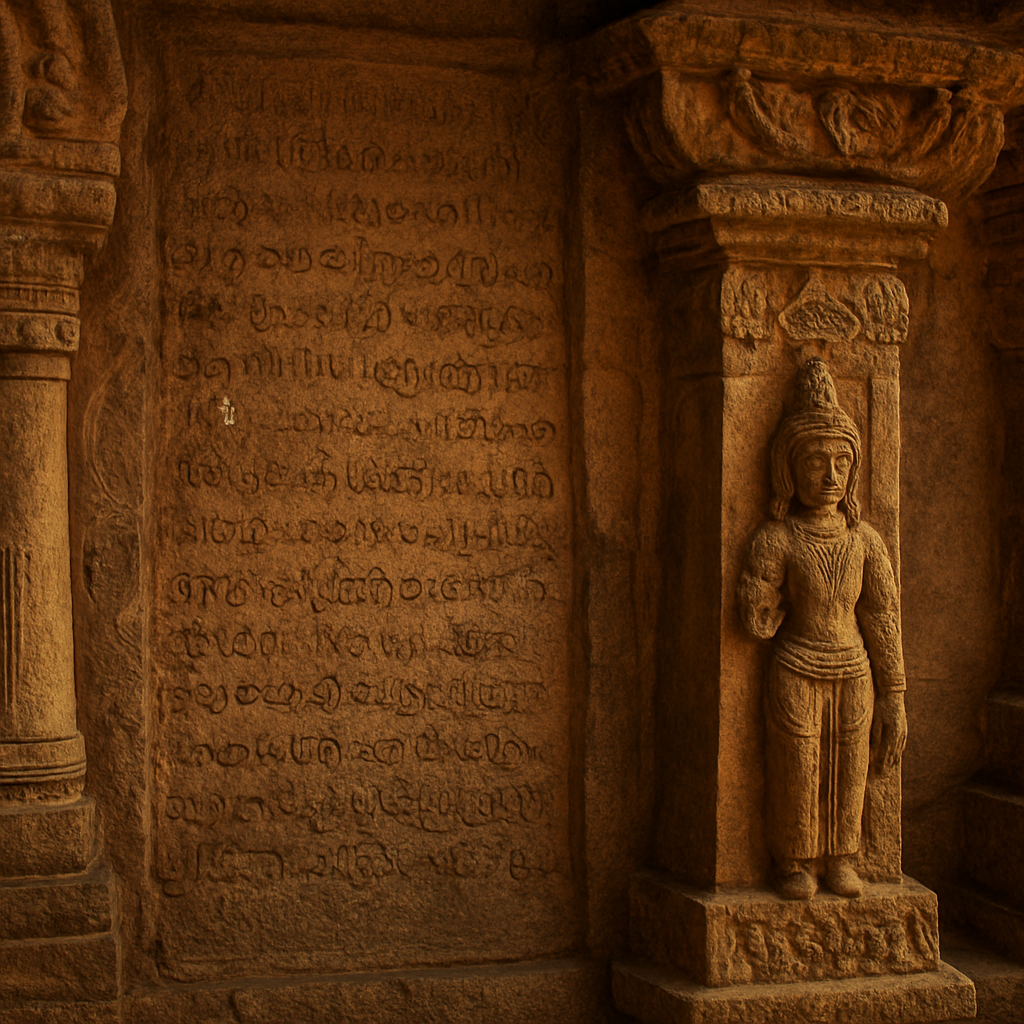
The temple at Tirumala is ancient, with a documented history stretching back well over a thousand years. Far from springing up fully formed, it grew across the centuries as successive dynasties expanded its structures, endowed its rituals, and recorded their devotion in stone — leaving one of the richest historical records of any Indian temple.
To understand Tirumala today — its scale, its wealth, and its institutions — is to read that long history. This guide traces the temple’s development through its royal patrons, its inscriptions, and the religious figures who shaped its worship.
Dynastic patronage
The temple drew the patronage of nearly every major South Indian power. The Pallavas, Cholas, and Pandyas each contributed to its early growth, building and gifting in turn. But it was under the Vijayanagara empire that Tirumala reached new heights of grandeur.
The Vijayanagara emperor Krishnadevaraya is the most famous of its patrons. His visits and his lavish offerings of gold, jewels, and ornaments — many recorded in inscriptions and commemorated by statues of the emperor and his queens at the temple — dramatically enriched the shrine and cemented its prominence.
A record written in stone
The walls of the temple carry hundreds of inscriptions in Tamil, Telugu, and other languages, meticulously documenting gifts of land, villages, jewels, gold, and provisions for daily worship and festivals. These inscriptions are not merely decorative; they are a working archive of the temple’s endowments built up over centuries.
It is this long accumulation of endowments, faithfully recorded and added to by ruler after ruler and devotee after devotee, that gave rise to the temple’s legendary wealth — wealth understood within the tradition as the ongoing repayment of the Lord’s wedding loan from Kubera.
Ramanuja and Sri Vaishnavism
The eleventh- and twelfth-century philosopher Ramanuja, the great teacher of the Vishishtadvaita school, is traditionally associated with organising and systematising the temple’s worship. His influence helped firmly establish Tirumala within the Sri Vaishnava tradition, shaping its rituals and theology.
This religious framework still governs much of the temple’s practice today. Understanding it explains many features a visitor encounters — the forms of the liturgy, the prominence of surrender (prapatti) in its devotion, and the lineage of priests and traditions that maintain the worship.